
Pulpit+ Exchange’s “How We All Get Free” series
Iliff is inviting activists, scholars, ministers, thought leaders, and journalists from a wide range of social locations to share their stories of hope and activation for universal emancipation in our “How We All Get Free” series.
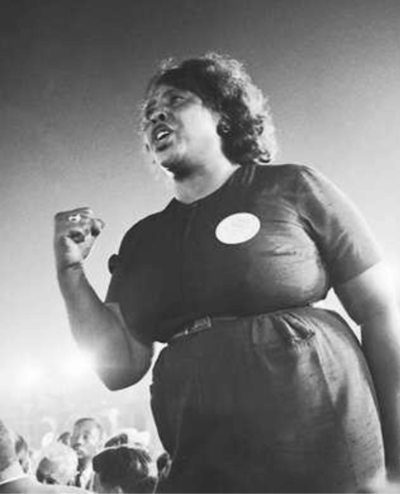
Fannie Lou Hamer (1917-1977), community organizer and co-founder of the Mississippi Freedom Democratic Party and the 1971 National Women’s Political Caucus is one of our inspirations for the Pulpit+Exchange’s “How We All Get Free” series.
The speech Hamer delivered at the University of Wisconsin, Madison in January 1971 emphasized “your freedom is shackled in chains to mine. And until I am free, you are not free either.” Later that year, at the founding meeting of the National Women’s Political Caucus, she addressed the challenges black and white women faced around gender equality. It was here that she proclaimed, “nobody’s free until everybody’s free.”
Although her speeches focused on racial and gender equity, her words continue to reverberate in our ears, hearts, and minds today because we not only continue to struggle to end oppressive racism and sexism, but we remain enslaved by assaults on nature and immoral treatment based on one’s national origin, religion, gender identity, ability, and sexual orientation.
Because we advocate freedom at Iliff, we have invited activists, scholars, ministers, thought leaders, and journalists from a wide range of social locations to share their stories of hope and activation for universal emancipation in our “How We All Get Free” series.
PAST EVENTS
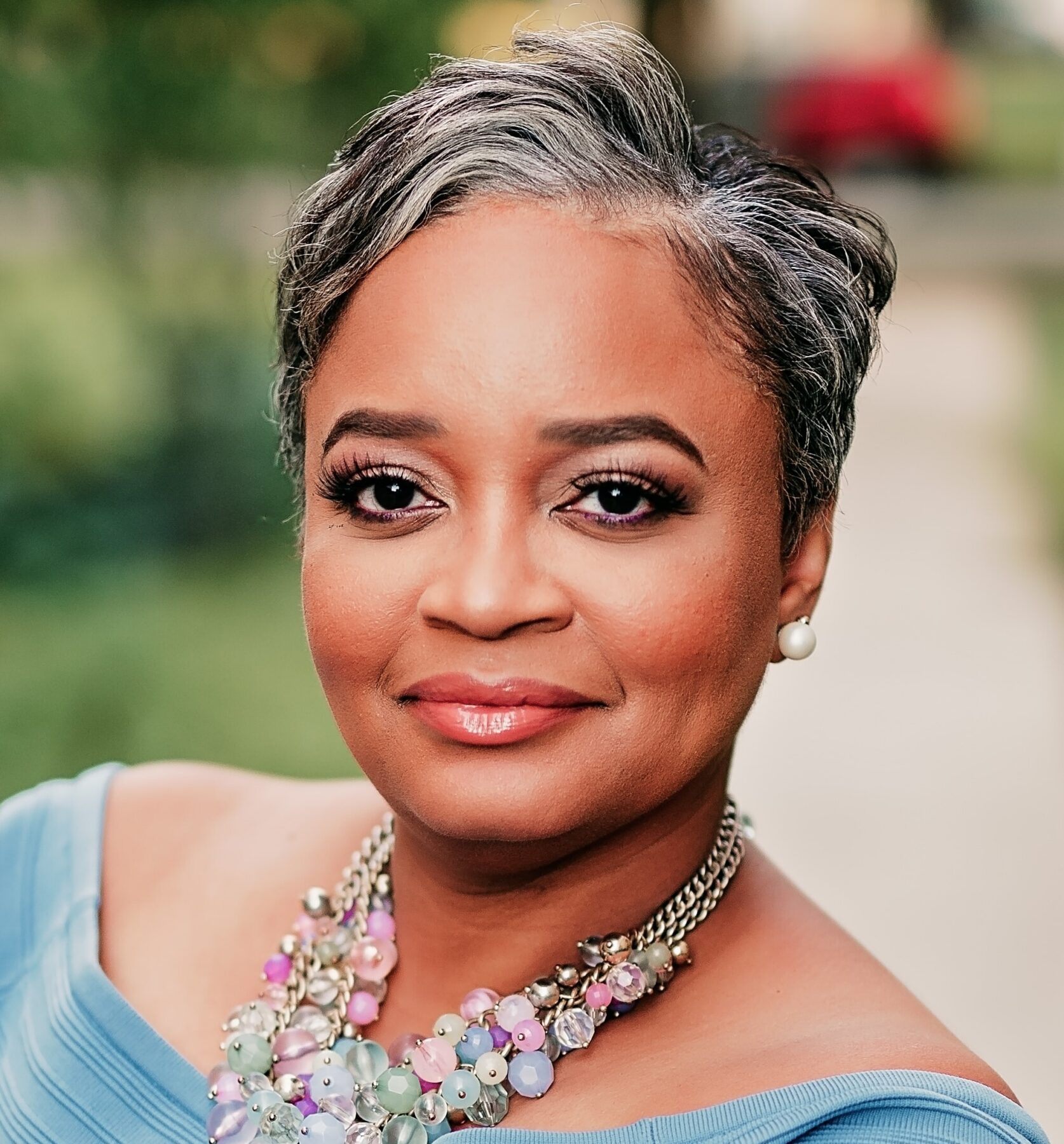
Dr. Malene Minor Johnson: With This Here Ritual, We Heal Our People and We Be Free:’ Conjuring the Africana Religious Consciousness in Sinners
April 27, 2026
The culturally and critically acclaimed Oscar-winning film, Sinners by Ryan and Zinzi Coogler, has stirred much conversation and analysis. It is a film that we will unpack for generations to come, as it inspires more art, curriculum, literature, research, and cultural and knowledge productions. Sinners is an offering to those who labored in dehumanizing conditions yet reclaimed their humanity and thus their sacred and free selves in communities and among things not always considered as sacred. It is also an offering on behalf of its viewers to consider the meaning-making possibilities of its various themes. One such critical theme is Conjure/Hoodoo, an Africana sacred tradition with origins among enslaved persons in the U.S. This talk continues in the vein of sacred offerings by inviting us to explore Sinners’ Africana Religious Consciousness through two of its characters, Delta Slim and Annie.
Dr. Malene Minor Johnson is an Independent Scholar of Africana Religious Traditions. From 2021 to 2024 she was a Postdoctoral Fellow at Case Western Reserve University’s (CWRU) Mellon-funded Humanities in Leadership Learning Series (HILLS). Previously, she was the Virginia and Walter Nord Postdoctoral Fellow in CWRU’s Baker-Nord Institute for the Humanities.
As a professor, Dr. Johnson has taught courses that include Introduction to African-American Religions, African Diasporic Religions, and Black Gods and Black Religious Identity Making. Dr. Johnson’s research builds upon a rich history of Black religious scholarship as it continues to unpack the variety of religious traditions & practices of African-descended peoples in order to reclaim and make visible the Africana meaning and cosmological grounding that affirms the fullness of their humanity.
We’re Better Together: Lamont Collins
April 20, 2026
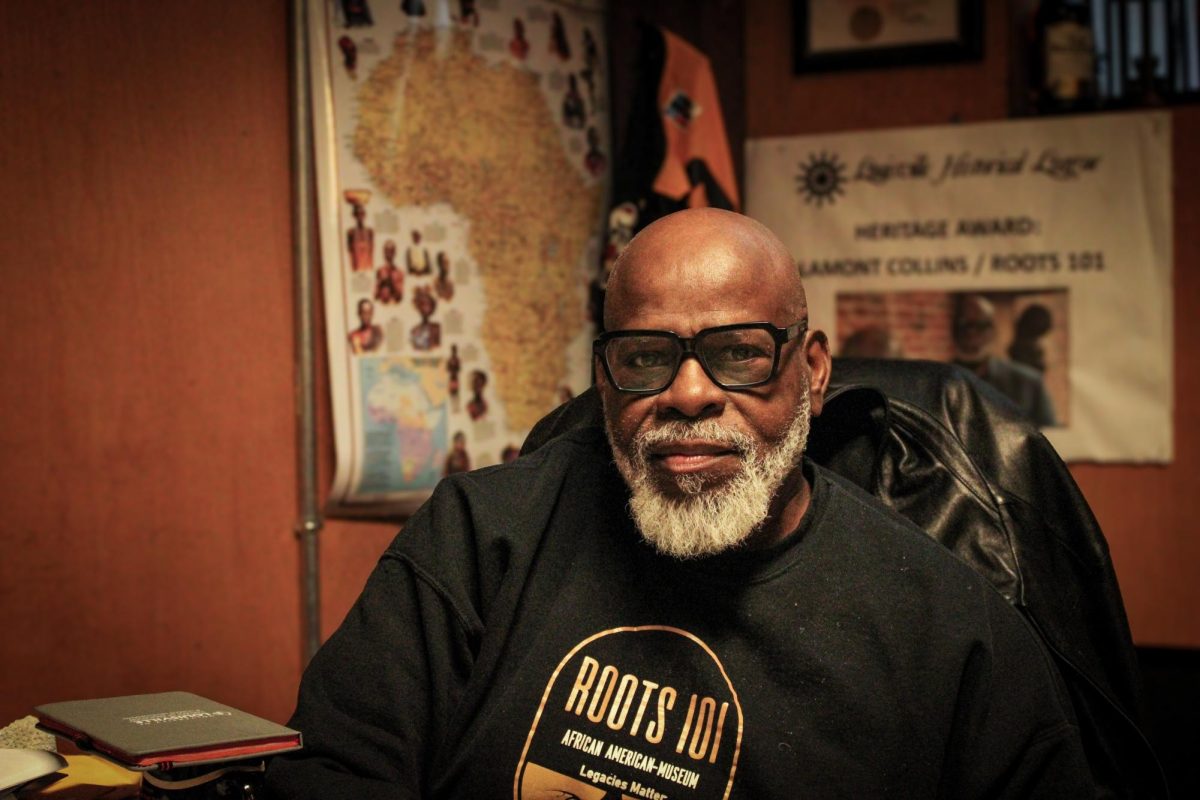
Lamont Collins, Founder and CEO of Roots 101 Museum, will be bringing 400-year-old shackles and other artifact memorabilia from the museum. Plan for an experiential evening.
Lamont Collins used to love arguing with his teammates about who the best professional athletes were. He often took the side of Black players like Bill Russell in these debates, and his white friends would sometimes come back days later saying things like, “I talked to my dad, and he said Bill Russell’s pretty good.” That’s when Lamont Collins realized, at just nine or ten years old, how important it was to tell his story.
Serene Thin Elk: Indigenous Resistance and Healing: An Intergenerational Story
April 13, 2026
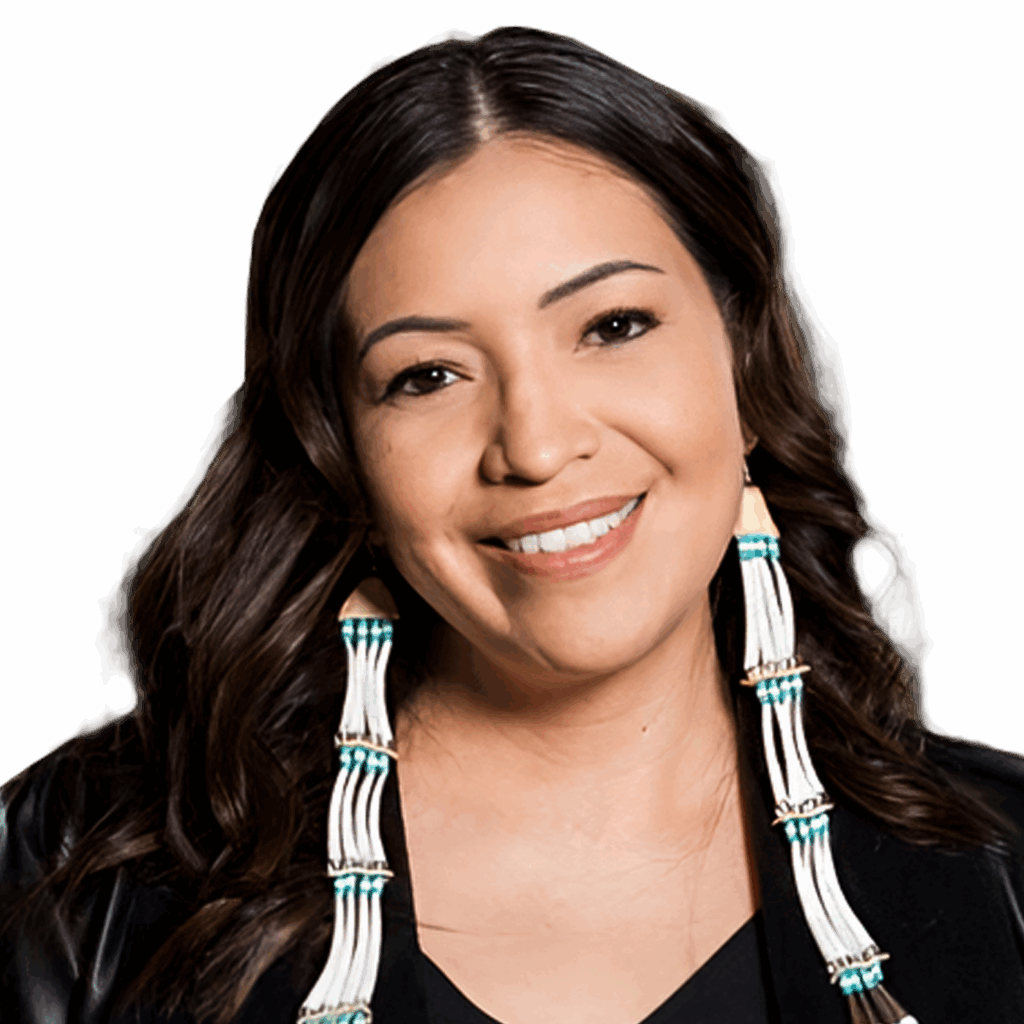
Serene Thin Elk will discuss patterns of intergenerational transmission of historical trauma and describe paths for healing. She is an enrolled member of the Ihanktonwan Oyate (Yankton Sioux Tribe of SD). She is the Director of Indigenous Mindfulness at the National Native American Boarding School Healing Coalition and is a licensed addiction and mental health clinician with 20 years of experience in the mental health field.
Serene Thin Elk holds a Master’s Degree from Lesley University in Expressive Therapies, which focuses on utilizing various art forms within the therapeutic process to guide others in their healing journey. She has developed and facilitated cultural, clinical, and community-based programming within urban, rural and tribal communities.
She is passionate about addressing patterns of intergenerational transmission and finding ways to help individuals, families, and communities heal from the effects of historical traumas. She resides in MN with her children and husband in the homelands of the Dakota and Anishinaabe people.
Reverend Allison Cannady-Smith: God’s Provision in the Midst of an Ungrateful Nation: An Open Thank-You Note to Black Women Everywhere
April 6, 2026
On the day following Resurrection Sunday, this talk will explore how Jesus’s provision for his Mother Mary at the foot of the cross serves as a reminder of the redemptive power of gratitude. It will call for corporate repentance for the greatest sin of all committed against Black Women and other “least[s] of these”.
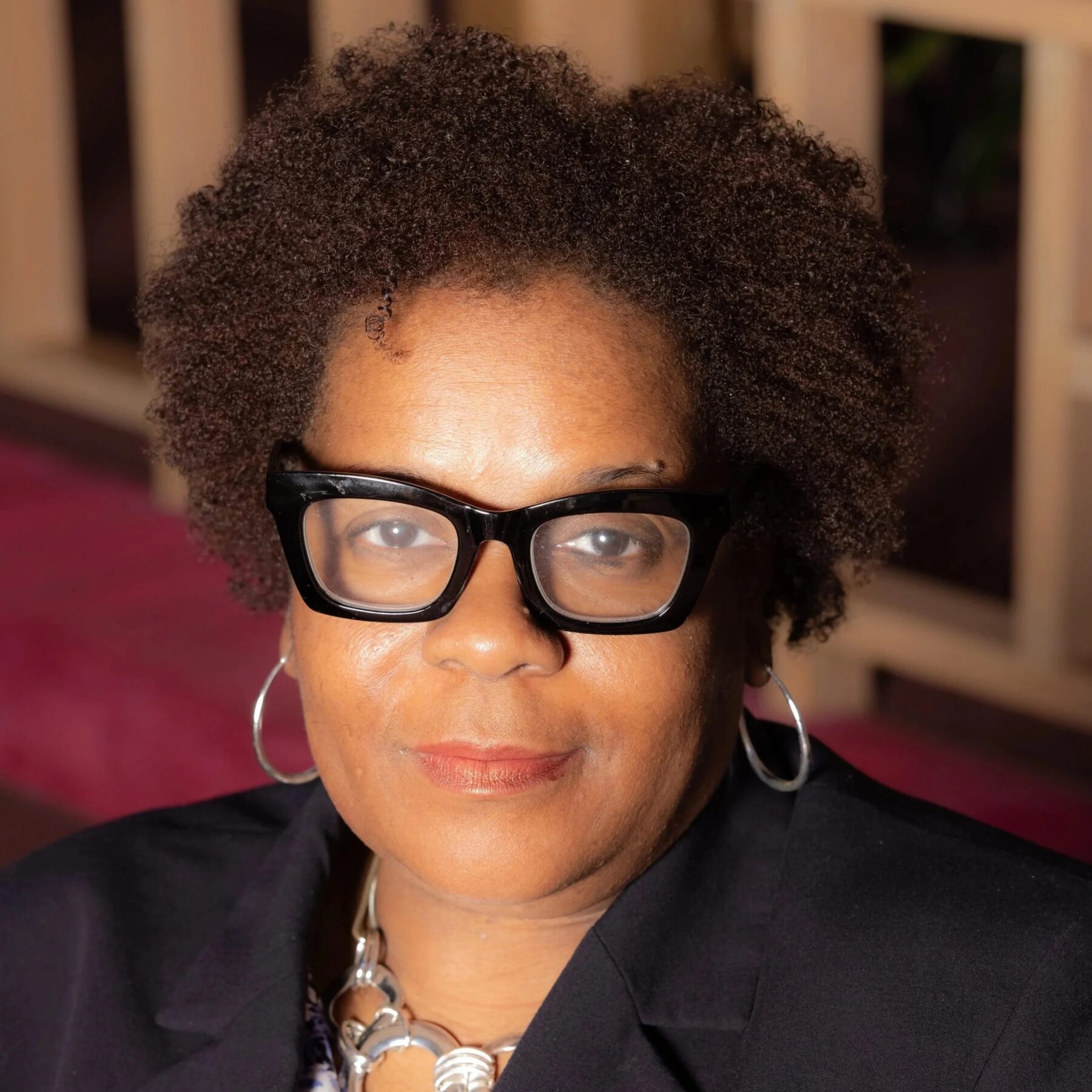
Reverend Allison Cannady-Smith is an ordained Elder in the African Methodist Episcopal (AME) Church and the proud Pastor of Shorter Community AME Church in Denver, CO – the first woman appointed to the position in the church’s 158-year history. A firm believer that faith without hand-to-the-plow practice is dormant, Rev. Cannady-Smith has been an active community servant.
Michael Norice: Art of Your Soul
March 30, 2026
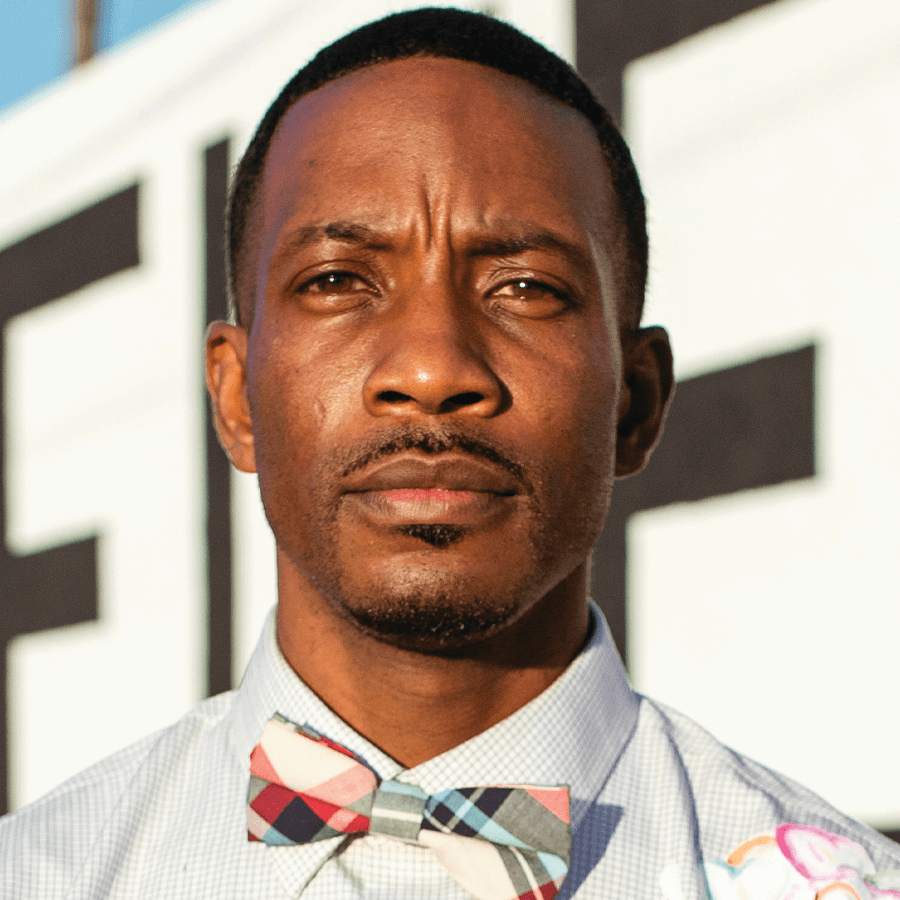
The term “public theologian” is often used in a narrow fashion. As a muralist, Michael Norice helps to expand the meaning of the term through his artwork. Come prepared to view some of his work and to hear how he is not only providing murals for various neighborhoods, but also helping community members to lift their voices, hopes, and dreams through the art installations.
Mike Norice is a Los Angeles visual artist, muralist, filmmaker, and community builder whose work transforms public space into sites of healing, history, and collective empowerment. Born in Watts during the 1980s—a time marked by poverty, displacement, and the impacts of gang and drug violence—Norice carries the resilience of his early environment into every creative endeavor. What began as a childhood coping mechanism grew into a lifelong artistic practice that now spans more than 40 years.
In 2017, Norice founded Artfully United, a nonprofit arts organization dedicated to revitalizing underserved neighborhoods through community-centered murals. His installations—bearing uplifting messages such as FORGIVENESS, LOVE, HOPE, and BELIEVE—are offered as gifts to the communities that shaped him. Through Artfully United, Norice combines public art, youth engagement, and storytelling to spark pride, ambition, and healing in historically marginalized areas.
Questioning Our Faith in Practice: Unlearning White Supremacy in Practical Theology
March 23, 2026
Learning to be free requires identifying the deep and sometimes subtle roots of white supremacy that infect the everyday ways we imagine things like leadership, congregations, and the Christian tradition. The questioning of deeply held, “common sense” values can be painful and doubt-inducing work, but ultimately opens us to embrace collective wisdom, to nurture strong and resourceful communities, and to live faithfully without certainty or superiority.
Reflecting on nearly a quarter century of teaching students at Iliff, Katherine will tell the story of how being challenged by esteemed colleagues to uncover the white supremacy at the heart of her academic discipline led to a journey of questioning everything she thought she was supposed to be doing as a seminary professor, forming Christian ministers. A commitment to listen and to learn with humility fuels the ongoing process of unbinding from the legacy of whiteness while still being accountable to what it has wrought.
Katherine Turpin joined Iliff’s faculty in June 2002. She also currently serves as Associate Dean for Curriculum and Assessment and Director of the MDiv program. Her current research interests include how histories of oppression and structural inequality inform the identity of white women and unlearning and disrupting white supremacy in the practices of education and theological reflection.
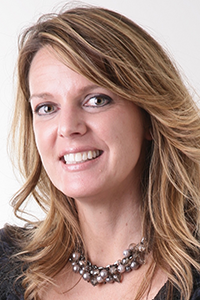
Lament as a Pathway to Liberation
March 16, 2026
As a former student of Dr. Walter Brueggemann, Dr. Erickson’s presentation will share insights on lament from his tradition.
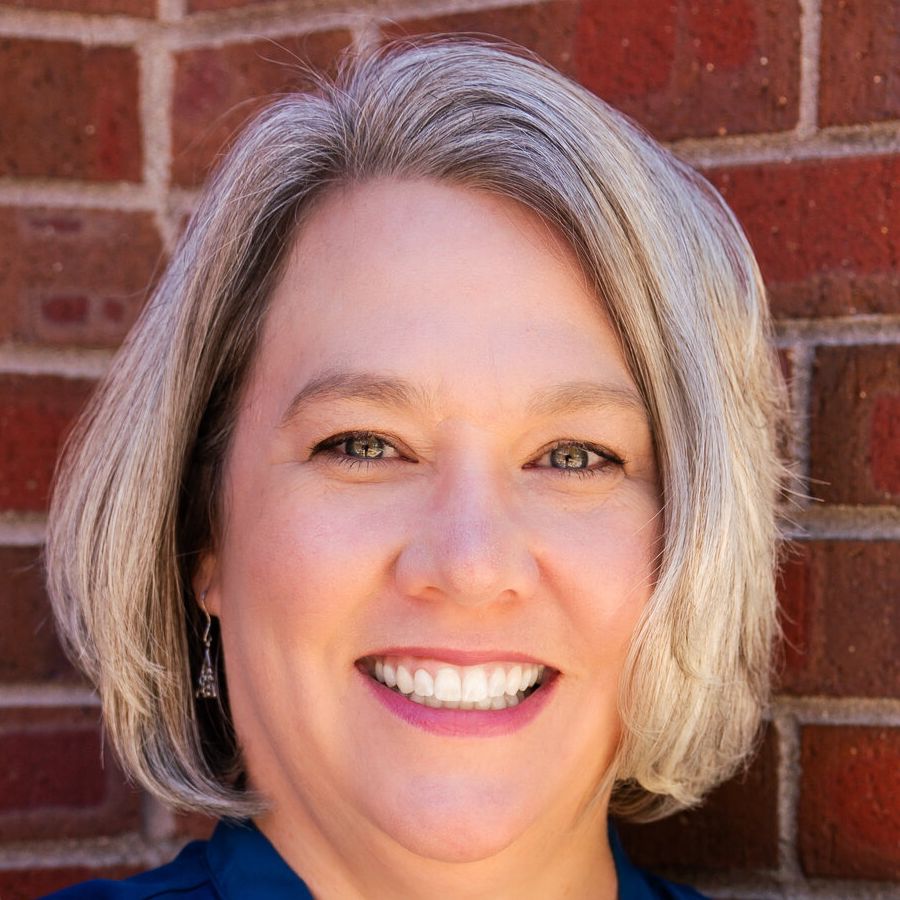
Amy Erickson is Professor of Hebrew Bible at the Iliff School of Theology. She has a BA from Bates College, an MDiv from Columbia Theological Seminary, and a PhD from Princeton Theological Seminary.
Erickson teaches a range of courses in biblical interpretation, including The Body and Sexuality in the Hebrew Bible, The Hebrew Bible and Ecology, and Jonah and Its Afterlives. Her research interests include Hebrew poetry, poetic and mythological texts in ancient West Asian literature, and the Hebrew Bible’s history of interpretation.
She has recently completed a commentary on the book of Jonah and its history of interpretation entitled Jonah: Introduction and Commentary (Illuminations; Eerdmans, 2021), and has written articles on Job, Jonah, the Psalms, Zechariah, and Amos for academic journals and edited volumes. Erickson is also a regular contributor to workingpreacher.org, the Huffington Post ON Scripture, The Christian Century, and The Encyclopedia of the Bible and Its Reception (de Gruyter). She is currently working on a book on the Hebrew Bible and ecology.
How Can We Keep from Singing?*
March 9, 2026
*This session of the “How We All Get Free” series is IN-PERSON ONLY
We have to keep singing to give voice to suppressed cries, hope to the hopeless, courage to the fearful, and protection from the enemy.
Come, learn about the role of freedom songs in slavery, the civil rights movement, South Africa, Minneapolis, and other places around the globe. Be inspired by music grounded in various protest and resistance movements. Sing songs that will encourage and liberate the minds, bodies, and souls of everyone. (Freedom songs have the power to transform both the oppressed and the oppressor.)
You will be inspired by Daniel Klawitter, Morgan Lowe, and Eric McEuen; grounded by percussionist Jacqui Shumway; and led by Daryl Walker and Caran Ware Joseph.
Listen to powerful music or join in the singing and drumming with us. No experience is necessary.
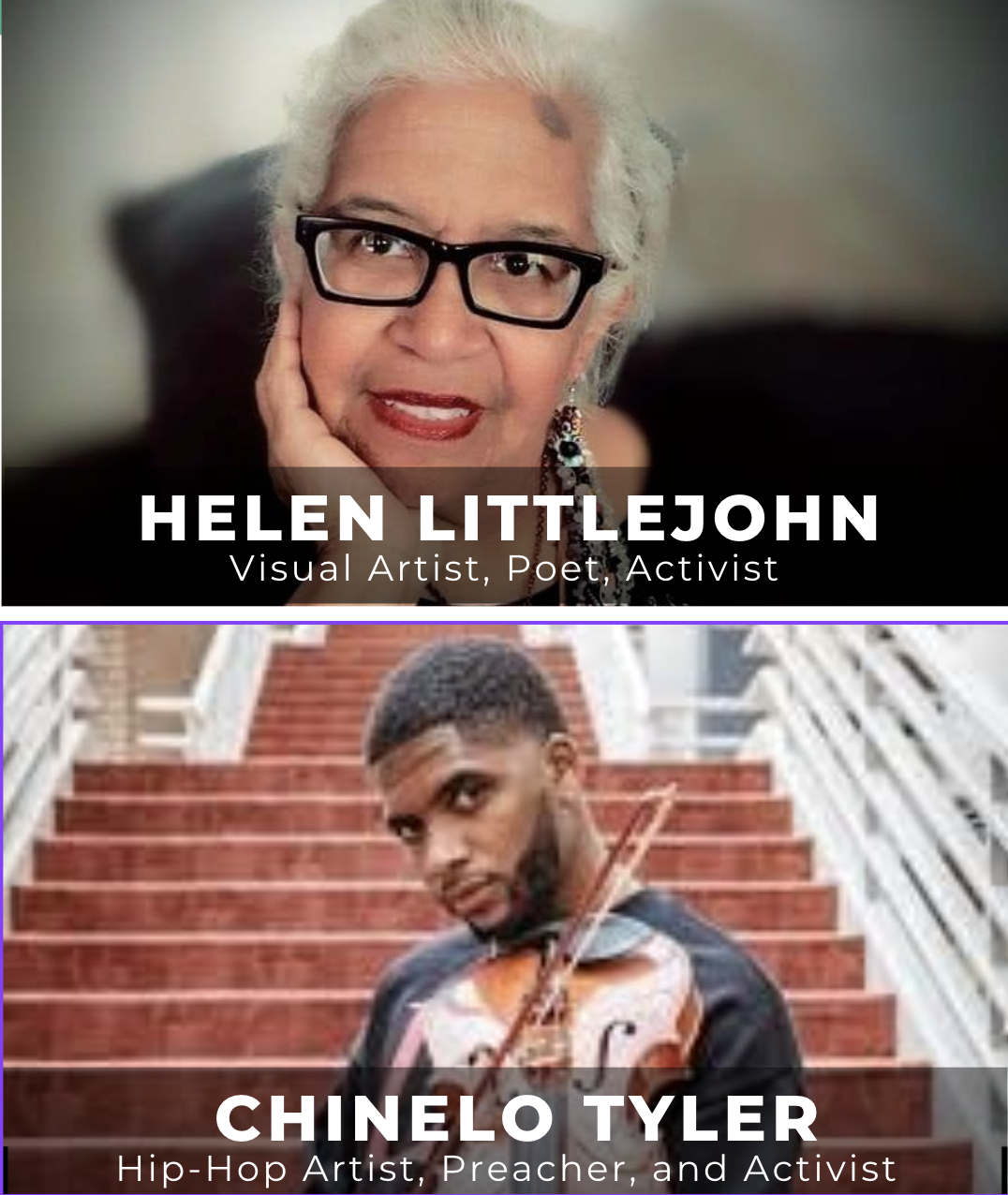
Helen Littlejohn & Chinelo Tyler: Art, Imagination, and the Work of Freedom
March 2, 2026
Art has always been a strategy for survival. It has been a way to breathe when the air gets thin, a way to speak when voices are silenced, and a way to dream when the world refuses to imagine anything new. For this conversation, we bring together two artists from different generations whose life’s work demonstrates that creativity is not a luxury, it is a liberation practice.
Helen Littlejohn is a visual artist, poet, and activist whose work invites us to see the beauty, the ache, and the possibility in our shared human story. Through color, texture, and language, her work insists that we look deeply and listen closely to the world we are shaping. She will be joined by Chinelo Tyler, a hip hop artist, preacher, and activist whose lyrical power and theological imagination remind us that truth-telling is an act of resistance and that beats and bars can be a roadmap toward collective freedom.
In this moderated dialogue, we will explore how art becomes protest, how creativity becomes healing, and how artists, regardless of age or medium, become architects of liberation. Together, Littlejohn and Tyler will guide us through the ways art dares us to believe that another world is possible.

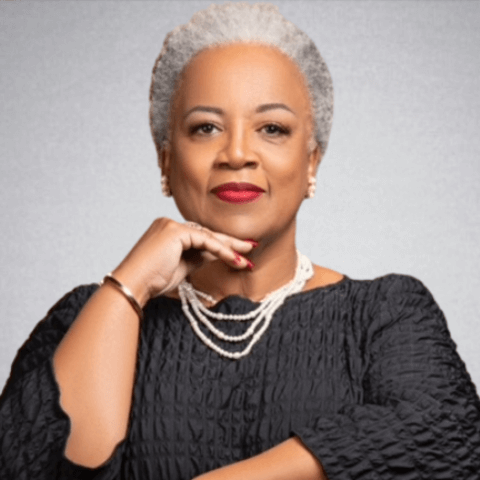
From Trauma to Jeong: Asian American Theologies of Healing and Collective Freedom
February 23, 2026
Dr. Lee will provide a review of Asian American histories, contemporary contexts, and new theologies needed for healing, based on the Korean concept of Jeong, which propelsus all to be in solidarity.
Rev. Dr. Lee is a feminist communitarian practical theologian, her theological and scholarly pursuit is fueled by her commitment to social justice. She works hard to embody her commitment in her leadership and pedagogical practices. Before Iliff, Rev. Dr. Lee taught for 15 years at the Pacific School of Religion (PSR) and the Graduate Theological Union (GTU) in Berkeley, CA, where she became the first woman of color tenured faculty in 2007. Dr. Lee is also an ordained United Methodist elder who served churches in Korea and the United States.
Rev. Teresa L. Fry Brown, PhD: The Cost of Being a Caged Bird
February 16, 2026
Rev. Teresa L. Fry Brown, PhD is the Associate Deann of Academic Affairs (2022-present) and Bandy Professor of Preaching (2015-present) at Candler School of Theology at Emory University in Atlanta, Georgia. Additionally, she served as the fourteenth Historiographer, the editor of the A.ME. Review Executive Director of Research and Scholarship (2012-2024) and President of the General Officers’ Council of the African Methodist Episcopal Church (2021-2024). Dr. Fry Brown was Director of Black Church Studies at Candler (2007-2015). Dr. Fry Brown obtained a Doctor of Philosophy in Religious and Theological Studies from the Iliff School of Theology and the University of Denver, with an emphasis in Religion and Social Transformation (1996). She earned a Master of Divinity from Iliff School of Theology (1988), Master of Science degree (1975) and Bachelor of Science degree (1973) in Speech Pathology and Audiology from the University of Central Missouri in Warrensburg, Missouri.
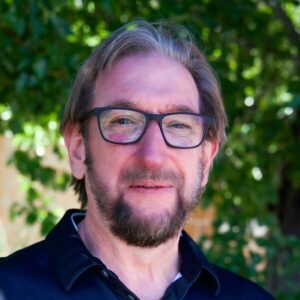
Albert Hernández: The Ghosts of Andalucia: Stories of Interreligious Dialogue from Medieval Spain
February 9, 2026
Andalucia is one of Spain’s most iconic and historically important regions. Known as Al-Andalus to the Hispano-Arabic civilization that flourished there for eight centuries, it was a land where the Children of Abraham lived together in alternating cycles of conflict and cooperation while generating significant scientific and cultural achievements. When the Caliphate of Granada fell to the armies of the Spanish Reconquista in 1492, humanity nearly lost the stories of these Andalusian legacies of coexistence, artistic beauty, and spiritual understanding. What lessons do their medieval artistic visions and stories of mutual edification across highly contested religious identities and spaces still hold for questions about freedom, human dignity, and living together in our times?
Hernández joined the Iliff faculty in 2001. He teaches courses in the history of Christianity from Medieval to Early Modern times with additional expertise in the history of the ancient Hellenistic-Roman period. His research and teaching areas include the history of mysticism and pneumatology; Muslim and Christian relations beginning with the Crusades; religious diversity in medieval Iberia and the Spanish Empire; and the history of medicine and pandemics.
Miguel De La Torre: How We All Get Free Series
February 2, 2026
Dr. De La Torre will discuss the mythology, history, and his experience of the El Camino. The El Camino is a network of ancient pilgrimage routes across Europe, all leading to the cathedral of Santiago de Compostela in Spain, believed to house the remains of the apostle St. James
People walk the Camino for a variety of reasons, including religious and spiritual motivations, a desire for a physical and mental challenge, a personal journey of self-discovery, a chance to connect with nature and history, and to experience camaraderie and community with other pilgrims. While it began as a religious pilgrimage, many now walk for a blend of secular and spiritual reasons.
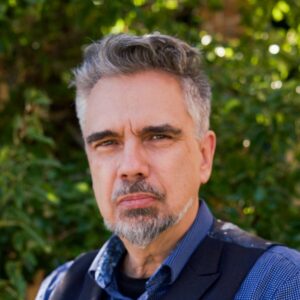
Pretend You Believe with Rabbi Noa Kushner
January 26, 2026
Rabbi Kushner’s presentation will focus on insights from her forthcoming book, Pretend You Believe. This work explores religion for the post-everything age, meditating on the necessity and viability of religious experiences and ideas even when (and precisely because) they demand humility, discomfort, commitment, and sincerity.
Rabbi Noa Kushner founded The Kitchen in 2011 in response to friends who were looking for an informal, transformative Shabbat experience that they couldn’t find. Along the way, she crashed headfirst into what has now been well documented as a generational trend away from many established religious institutions. The Kitchen quickly grew from a local Shabbat experiment into an active doorway for San Francisco’s Gen X and Millennials looking for serious Jewish life. Through an emphasis on first-hand experience and “doing Jewish” over pedigree, The Kitchen has become an international resource, growing to serve thousands of modern families annually in seven years.
In working with IDEO and by emphasizing design + communications, The Kitchen has also changed the ways religion is perceived and integrated into daily life. After graduating with a degree in Religious Studies at Brown, Kushner was ordained by Hebrew Union College-Jewish Institute of Religion in 1998. She then served as a Hillel Rabbi for both Sarah Lawrence College and Stanford University.
The Kitchen has been featured internationally in Ha’aretz, Tablet, The Forward, and Medium.
Engaging Collaborative and Compassionate Conversations in the Midst of Cancel Culture with Loretta Ross
January 12, 2026
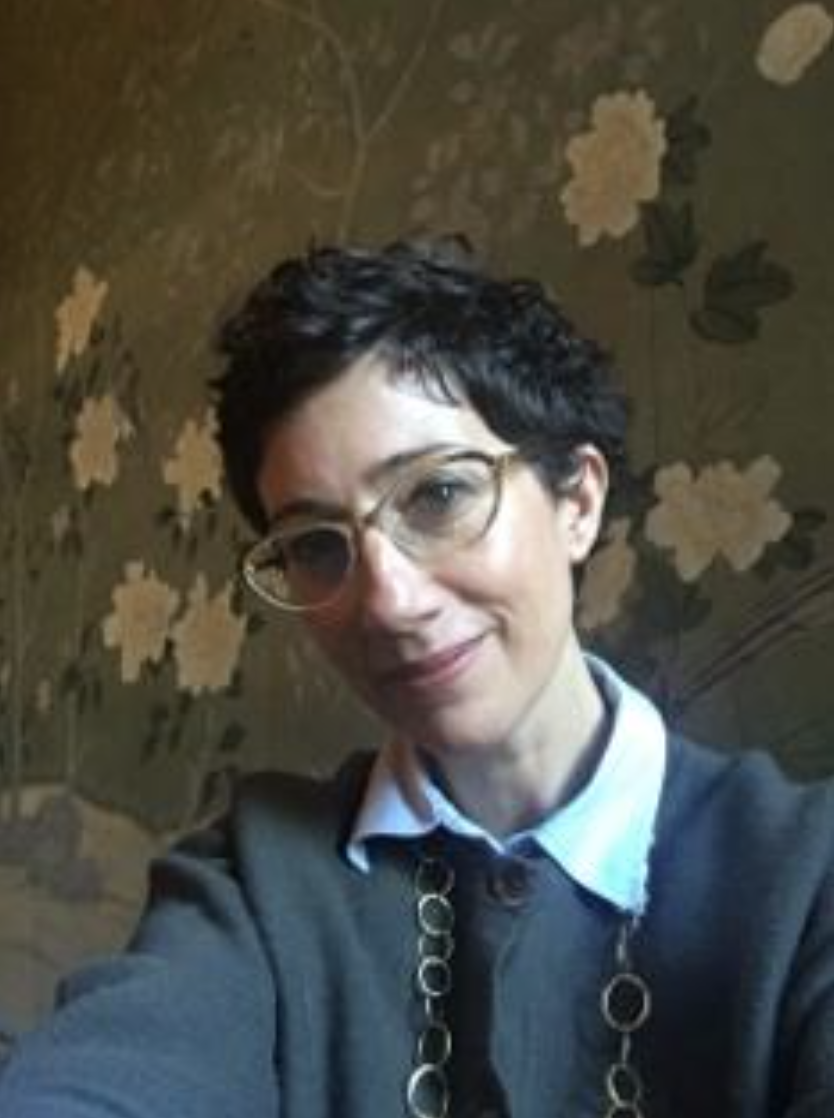
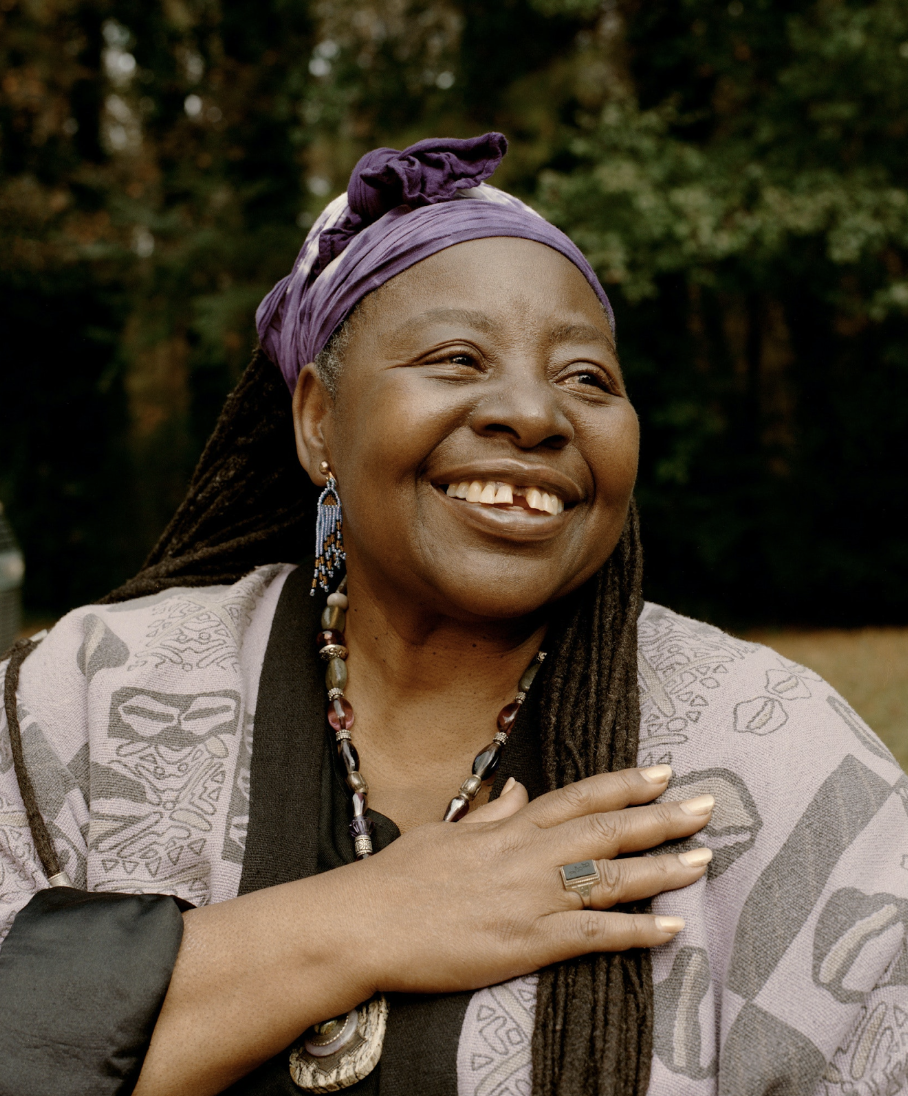
Caran Ware Joseph will be in conversation with Loretta Ross, discussing Loretta Ross’s life, work in human rights and reproductive rights, and social justice. She will also talk about how she gave up hate and chose love as a way to free each person she encounters, even those who do not wish her well. She will give us guidance on how we can engage in compassionate conversations with those who are creating a climate of oppression, inequality, insecurity, and divisiveness.
Loretta J. Ross is an activist, public intellectual, scholar, the 2022 recipient of the MacArthur Foundation “Genius” award, and an Associate Professor at Smith College. She has a passion for innovating, creative imagining about global human rights and social justice issue,s and started her career in activism and social change in the 1970s. In 1978, she was the third executive director for the DC Rape Crisis Center, the first rape crisis center in the country. This was her entry point into the women’s movement, where she learned about women’s human rights, reproductive justice, white supremacy, and women of color organizing. Through her organizing, she helped launch the movement to end violence against women that has evolved into today’s #MeToo movement.
Throughout her 50-year career, she has worked with the National Football League Players’ Association, the National Organization for Women (NOW), the National Black Women’s Health Project, the Center for Democratic Renewal (National Anti-Klan Network), the National Center for Human Rights Education, and SisterSong Women of Color Reproductive Justice Collective.
Loretta retired as an organizer in 2012 to teach and follow her passion to educate. In 1996, she founded the first center in the U.S. to innovate creative human rights education for all students, transforming social justice issues to be more collaborative and less divisive. In her work Calling In the Calling Out Culture, she transforms how people can overcome political differences to use empathy and respect to guide difficult conversations. In 2023, Loretta was inducted into the National Women’s Hall of Fame.
Paths to Freedom: Interfaith Leadership for a Just and Equitable World with Imam Nasser Lamlum
January 5, 2026
At a time when communities across the globe are wrestling with division and inequity, faith leaders are uniquely positioned to help chart a path forward and answer the urgent call for justice. Imam Nasser Lamlum believes that joint efforts between religions are praiseworthy and blessed when their goal is to achieve justice and serve humanity.
In this talk, he will share insights from his journey as a multigenerational mosque leader, educator, advocate, and interfaith partner. Drawing on his experiences that span youth mentorship, community organizing, and collaborative work across religious and civic spaces, he will explore how Islam calls for cooperation in goodness and spreading peace among all people. This talk will weave together stories on how working together for justice and mercy reflects the universal human values that Islam promotes for all people – regardless of their faith, color, or language.
Imam Nasser believes that it is the duty of imams and community leaders to contribute to this cooperation by promoting constructive dialogue and mutual respect among followers of different faiths, and by organizing joint initiatives to serve the community and help those in need. As an advocate to guide the youth, he understands that justice is a profound moral and spiritual value and in Islam, justice is not merely a social choice; it is a religious obligation and a reflection of sincere faith.
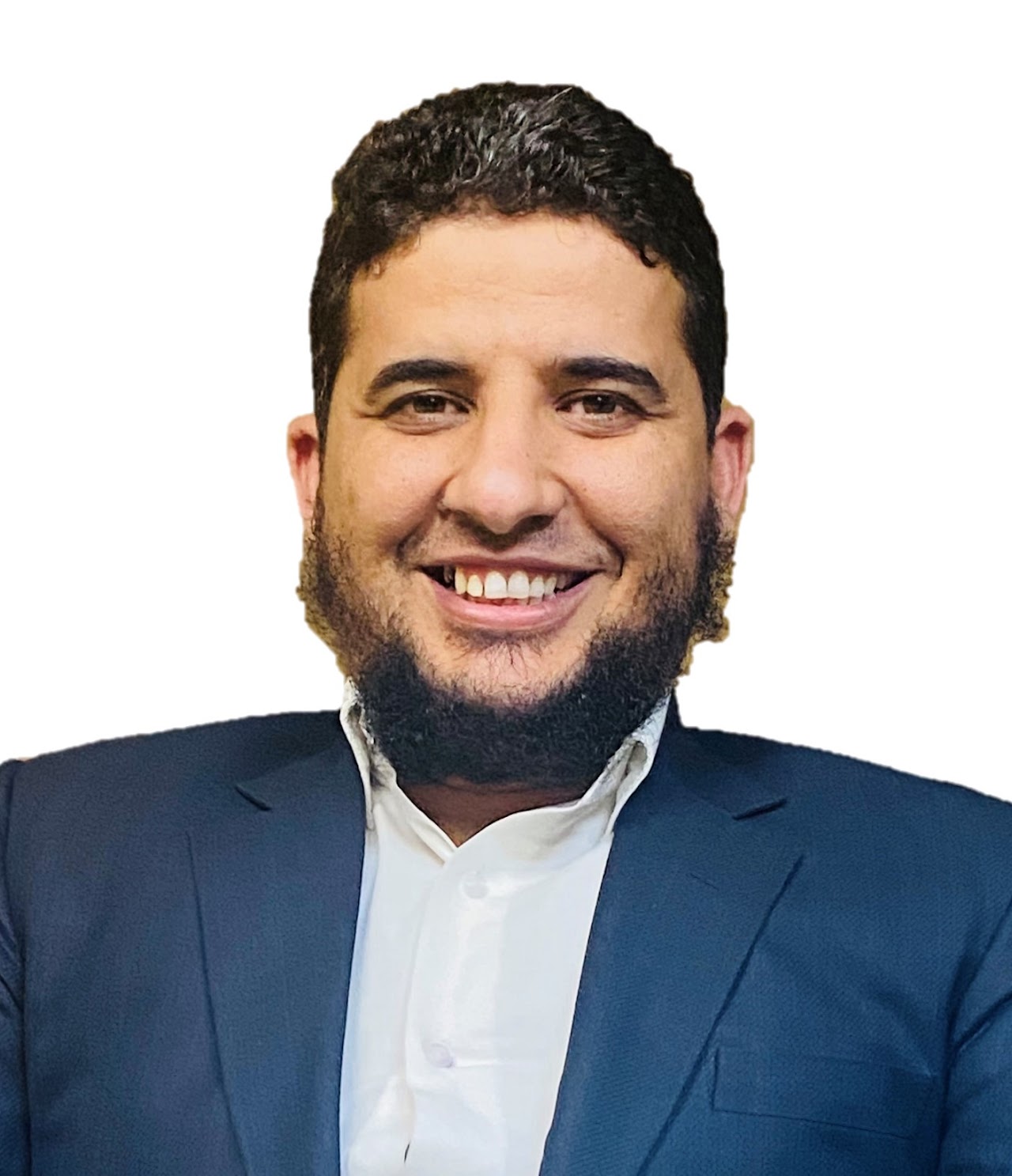
Imam Nasser Lamlum is the Imam and Community Leader at the Denver Islamic Society. He leads a congregation of more than a thousand people, with people from different backgrounds and countries, languages and nationalities. He has extensive experience in religious and theological research, based on a robust academic background, Quranic memorization in various Arabic narrations, and with an unmatched depth in the Arabic language, its culture, and people.
Find your Community at Iliff!
Join us for Iliff’s Pulpit+ Exchange Series, an inspiring series of in-person and virtual gatherings where clergy, lay leaders, activists, scholars, ministers, journalists, and community organizers come together to wrestle with the most pressing questions of our time. Together, we’ll explore powerful stories of hope, healing, and action—each rooted in a shared vision of justice and liberation.
Whether you’re a faith leader, community builder, or someone seeking meaningful connection, this is more than a lecture series—it’s an invitation to be part of a growing network of changemakers committed to building a more just and equitable world.
.
What to Expect Each Evening:
-
5:00 – 5:45 PM (MST): Light meal and connection
-
5:45 PM: Lecture begins, followed by Q&A and deep discussion
-
Location: In-person at Iliff or online via livestream
(Unable to attend in person? Register to receive the livestream link.)
Why Attend?
Because change starts in community. This is a space to be challenged and inspired—while meeting others who share your passion for faith-rooted justice, equity, and collective liberation. Come for one evening or all. Stay for the conversation. Leave with new energy, new insights, and a renewed sense of purpose.
RSVP now and take your seat at the table.
About Pulpit+ Exchange
Iliff’s Pulpit+ Exchange Series (supported by the Pathways for Tomorrow Initiative from Lilly Endowment Inc.) provides space for a diverse array of ordained clergy and lay leaders to gather for a meal and grapple with challenging issues. One of the main goals of the Pulpit+ Exchange is to build congregations of people who will authentically study, worship, walk, and act together across differences to create a just and equitable world.