Tinker Visiting
Professorship
Tinker Visiting Professorship and Student Mentoring
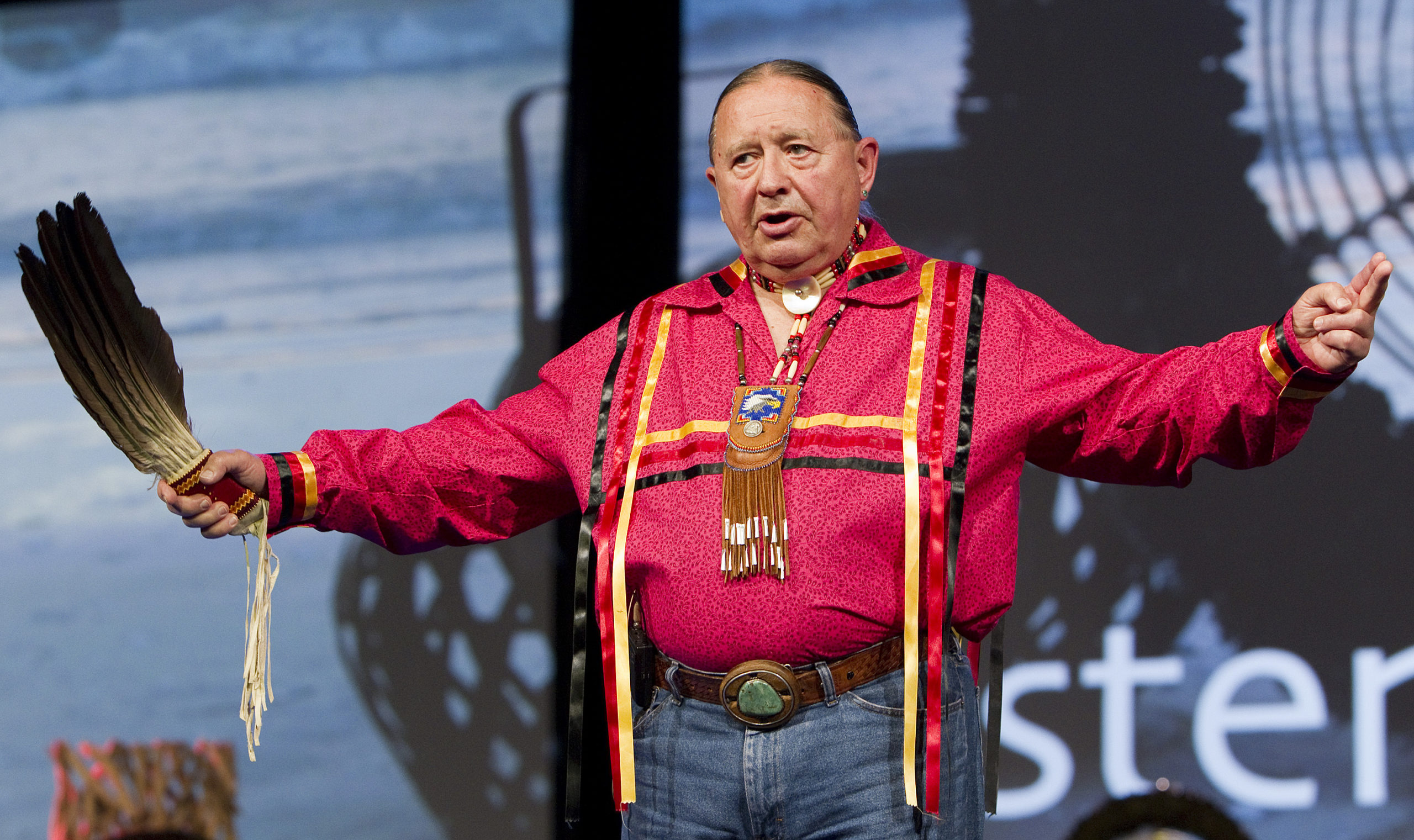
The Tinker Visiting Professorship was established in 2018 in honor of Professor Emeritus Tink Tinker (wazhazhe/Osage Nation) who taught for 32 years at Iliff School of Theology. Supported by the Tink Tinker Program Endowment Fund, the Professorship is committed to continuing his work and honor his legacy. In addition to teaching two courses over the course of an academic year and participating in public presentations, the Tinker Visiting Professor will also mentor Native students during Gathering Days.
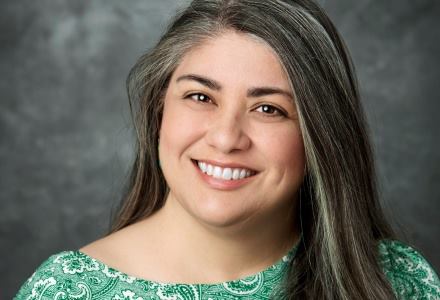
Dr. Lisa Dellinger (Chickasaw Nation) is the Tinker Visiting Professor for AY 2025-26.
A recent Ph.D. graduate of the Garrett Evangelical Theological Seminary, Dr. Dellinger is currently the Visiting Assistant Professor of Constructive Theologies and Louisville Postdoctoral Fellow at Phillips Theological Seminary in Tulsa, Oklahoma.
At Garrett, she worked with Professor Emeritus Tink Tinker who was on her doctoral committee. Dr. Dellinger has also worked with Rev. Dr. Boyung Lee, Senior Vice President of Academic Affairs and Dean of the Faculty, through the United Methodist Women of Color Scholar’s Program and the Forum for Theological Exploration. Both Professor Tinker and Rev. Dr. Lee have been highly impressed with Dr. Dellinger and her work as a Native American and a Christian scholar. She was also the Tinker Visiting Professor for Academic Year 2021-22.

Dr. Mark Freeland, (Sault St. Marie Anishinabek) Assistant Professor of American Indian Studies/American Indian Studies Program Coordinator at the South Dakota State University, is the first Tinker Visiting Professor for AY 2019-20.
offering online courses during the summer, and will be at Iliff during the fall and winter gathering days for student mentoring and public education programs.
For summer 2019, Dr. Freeland will be teaching the course – American Indian Culture and Ceremonies. This course will provide a framework of knowledge to better understand American Indian culture and ceremonies. Starting from a theory of worldview, students will engage concepts to comprehend indigenous peoples relationships to land, time, and the rest of life. They will investigate the role of ceremony in indigenous communities to be able to understand the contemporary role of on an annual cycle and in the everyday. This course will provide a foundation to understanding colonization, decolonization, and indigenization in our contemporary world.